The Alps are a place not only for adventure and breathtaking sights – they’ve become a place for the senses, where fine dining has taken on new, literal and figurative, heights. Michelin-starred chefs are on the rise across France, Switzerland, Italy and Austria as culinary masterpieces take mountain dining to new extremes. With fresh ingredients from the source, atmosphere that few locales can replicate and an attention to detail and quality like no other, eating in the Alps will take your taste buds to new heights.
Haute Cuisine Takes to the Heights
While fondue, raclette, and rösti once ruled the mountainside menus, the last twenty years have seen a revolution in high-altitude dining. World-renowned chefs have traded fancy cityscapes for rustic mountain vibes, not to challenge their abilities but instead, to be inspired. Suddenly, alpine staples like game, cheese, herbs, and mountain trout have become Michelin standard creations.
While these ingredients, flavors, and textures speak directly to the location of refinement, they also represent a growing trend of what travelers long for. Transfers from Geneva to Megève ski resort make it effortless for food lovers to reach one of the Alps’ most renowned destinations for fine dining and alpine gastronomy. It’s no longer enough for high-end travelers to have a cozy lodge for après-ski; now they want the same culinary experiences as they would find in Paris, Milan, or Vienna.
The Best Michelin Star Restaurants in Europe’s Alps: France
France is the hallmark of fine dining and the Alps are no exception to this esteemed reputation. Courchevel, in Les Trois Vallées, boasts some of the most concentrated Michelin stars in the world. In fact, Le 1947 at Cheval Blanc is home to a three-star rated chef – Yannick Alléno – and boasts attention to detail and imagination thanks to Savoyard products and exceptional service.
Just a stone’s throw away is Chabichou by Stéphane Buron, embracing classic French flavors blended within the relaxed and cozy chalets of the mountain spirit. Megève’s Flocons de Sel embraces this same juxtaposition through art brought onto the plate via Emmanuel Renaut as each dish connects to forests, lakes, and mountains surrounding the restaurant. The French style of high-end cuisine embraces this juxtaposition – the imagining of what could be from centuries-old traditions.
The Best Michelin Star Restaurants in Europe’s Alps: Switzerland
Switzerland’s food parallels its identity – meticulously precise, elegant and connected to the natural world. In Zermatt exists After Seven, a Michelin-star establishment boasting flavors that thread innovation with alpine reality thanks to chef Ivo Adam’s tasting menus founded from locally sourced ingredients from floor-to-ceiling windows gazing upon the Matterhorn.
In St. Moritz exists Ecco St. Moritz, a Michelin rated haven boasting an elevated culinary experience that’s nurtured from creativity. Rolf Fliegauf’s two-starred menu plays with textures and contrasts as Switzerland’s overall food philosophy is one of balance – a correlation between precision and purity that respects both the plate and those gorgeous mountains bringing so much flavor to life
Italy – The Finesse of Elevated Cuisine
Italian alpine cuisine is as luxurious as it is soulful. In the Dolomites, St. Hubertus in San Cassiano is a three Michelin-starred restaurant helmed by Norbert Niederkofler who champions “Cook the Mountain” as his philosophy. It’s as much a manifesto as it is a menu, guaranteed to use local and foraged ingredients with zero waste; each plate relays a story of region, season, craftsmanship and spirit.
West in the Aosta Valley, La Clusaz and Coutanceau Courmayeur offer the best of Alps-based cheeses and herbs with an Italian flair and worldly inspiration. Risotto and gnocchi become heavenly creations at altitude blended with the air up there and the prowess of Italy’s finest chefs. When one dines on exposed mountain ridges, it feels less like eating and more like a communion with Mother Nature and the ancestors.
Austria – Where Michelin Stars Meet Tradition
Austria needs more than just schnitzel and strudel to boast its Michelin-starred cuisine. In Lech am Arlberg, for example, Burg Vital Resort’s Restaurant Griggeler Stuba offers innovation through its Michelin-starred kitchen by chef Thorsten Probost who uses organic ingredients predominantly sourced from those in proximity to his kitchens. From alpine herbs to wild mushrooms to lake catches, seasonal and local requirements dictate menus with subtle mastery.

In Tyrol, one finds Stüva in Ischgl’s Hotel Yscla whose more traditional Austrian fare has transformed into haute cuisine, however, still reflective of its rustic charm. As a Michelin-star winner known for being authentically Austrian without losing the country twist but instead mastering the compositional construction and presentation in a refined manner, each bite begs feelings of appreciation for generously prepared and composed dishes in the alpine spirit.
Common Ground Between Michelin Cuisine Where Ingredients Are Locally Sourced
One of the most notable indicators of Michelin-star success in the Alps is the reliance on local provisioning. Access to pristine lakes for fish, pastures and valleys for root vegetables, cheese, and more make sourcing all but a few feet from any mountainous kitchen exceedingly easy.
Thus, chefs compile menus based on nature’s bountiful offerings; everything from fresh herbs to artisanal cheeses to historic dairies to catches from glacier-based lakes are at culinary experts’ fingertips. Chefs concoct menus seasonally, ensuring sustainable practices reign supreme to transform menus into must-have bites based on timing. Everything from Savoie truffles in France to chanterelles in Austria to alpine char in Switzerland transform dining from luxe eating to a respectable appreciation of what it means to live off the land effectively and incredibly well in the Alps.
Wine at Altitude – A Fine Pairing
No Michelin-starred meal in the Alps would be complete without exquisite wine to match. While there are not as many vineyards as there are low land France and Italy, there is potential for burgeoning. Swiss Valais, Austrian Grüner Veltliner and Northern Italian Lagrein are suitable additions to any alpine culinary delight. Michelin-starred restaurants often collaborate with local vineyards for specialty pairings to accentuate particular qualities and nuanced methods.
In Haute-Savoie, sommeliers boast cellars filled with niche Champagnes and mountain-based wines grown within caverns. The air and cold at altitude do wonders for growing and bunches that enhance growing feelings for air and palate. The glass is as much part of the story as everything from vineyard to chef to mountain asserts varying endeavors from years of experience.
The Dining Experience – It’s Not Just on The Plate
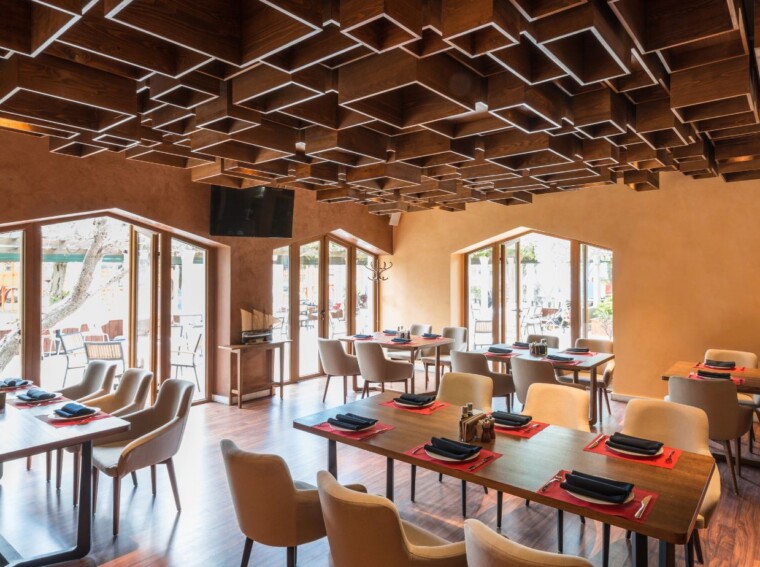
The dining experience itself at altitude must boast just as much about being there as what’s on the plate. Where else could one eat risotto with truffles under vaulted wood ceilings with expansive, panoramic views of snow-covered mountains? Many Michelin-starred restaurants throughout the Alps feature vast architecture – designed for modern comfort yet still part of the ecosystem to make this a multi-sensory adventure.
If that’s not enough, some of these chefs take the dining experience outside, providing winter picnics on private terraces or candlelit dinners on secluded mountain lakes. Intimate tasting menus are crafted for small groups at a time rendering a meal an experience. Thus, for the Alpinist, it’s more than just taste; it’s feeling nestled next to a roaring fire or only hearing the sound of snowflakes while floating between Heaven and earth.
A New Era of Responsibility Through Michelin-Star Fine Dining
Where Michelin-star chefs were once invited through appreciation based on the quality of food prepared, now they’re recognized and revered for a level of sustainable endeavor, as well. Michelin-starred restaurants in the Alps carve a path toward responsibility. From zero-waste mandates to agreements with regenerative farms, patrons are learning that luxury is no longer devoid of ecological consideration.
It’s recently Norbert Niederkofler who created “Cook the Mountain” philosophy; now there are countless chefs who boast this philosophy thanks to Niederkofler’s efforts to reassess what certain ingredients mean for a dish and where they come from – and where they go post-meal!
Kitchens now utilize renewable energy efforts, compost is established through scraps, and farms granted relationships boast conservation over exploitation. Even aesthetic merit – from reclaimed wood to natural stone – boasts a plausible connection between man and nature. Thus it’s clear that this new era is no longer prettified fine dining; it’s redefined fine dining that gets back to basics while remaining trendy!
Gastronomy with Adventurous Pairing
The most beautiful feelings about gourmet gastronomy surrounding the Alps is that it’s relatively coupled with the active lifestyle of the region. The prevailing sentiment is that people ski or hike and climb and then treat themselves to a once-in-a-lifetime meal it’s all part of the experience – and many restaurants are only reached via snowcat or gondola which puts as much prowess into getting to the venue as the venue – and when one deboards the cable car into a private little hideaway atop the mountain for a secluded degustation, it feels as though a long-lost secret has been rediscovered. But it’s the adventure combined with restorative revelry that makes the Alps a thrilling yet refined region; for the luxury traveler, it’s the best of both worlds. But access to such lofty culinary delights these days is no longer a treat – it’s an anticipated part of any time spent in an alpine setting.
Experiencing Gastronomy in The Alps
For anyone wanting to experience such culinary offerings for themselves, there’s no time like the present. A luxury traveler can go from Courchevel’s French fixings to the Dolomites across the Italian border in just a few days with easy transfers like Geneva to Chamonix, Zurich to St. Moritz, Innsbruck to Lech and beyond connecting some of Europe’s top offerings through proximity.
Luxury travelers often couple such engagements with wellness offerings or adventure options and nights spent in chalets or eco hotels with offerings more suited to one’s health and wellness versus sustainability needs. But it’s not about speed, as different rhythms throughout different destinations warrant recognition of their unique tales – with meals discovered along the journey being some of the best stories to tell close to some of Europe’s best options at altitude where each bite has nuance stemming from freshly sourced market gems to regionally-sourced offerings.
Culinary Futures – Modern But Traditional
As global trends in gastronomy continue to elevate international discussions surrounding what constitutes luxury dining, the Alps maintain that it can remain grounded in tradition yet also be forward-thinking. The next step for gourmet options at altitude Michelin-starred offerings will be novel creations driven by purposeful effort bridging history with integrated realities – from digital advancements to plant-based projects to hyper-localized ideas without losing track of beloved dishes forged centuries ago.
A need for more simplified offerings as opposed to excess has traveled miles from aesthetically pleasing three-star meals to understanding place-based ideas through narratives created over time. Thus, aesthetics have taken a backseat to simplicity, sustainability and storytelling.
For younger generations of chefs spread throughout the Alps, international culinary dialogue differentiates today’s artisanal endeavor from yesterday’s. Fermentation, wild herbs and ancient grains blend with modernized methods to rekindle interest once had but lost along the way due to shifting palettes. Digital assimilation ensures streamlined approaches to what’s acceptable without waste, but there’s still a human component: respect, pride, authenticity and passion.
Thus, for today’s elite world travelers with a mind for connection over excess, it’s no wonder that cooking at altitude becomes a truly luxurious experience when personal well-being embraces shared beliefs within nature and surrounding communities near and far.
Final Thoughts The Pinnacle of Culinary Excellence
Yet gourmet dining in the Alps becomes a conversation – a narrative of tradition and modernity, of nature and craft. From the scents of truffles upon the mountain air in Courchevel to the rustic-modern simplicity of St. Moritz, each Michelin-starred restaurant offers a unique experience of mountain greatness. The chefs are not only masters of taste but also craftspeople who transform each plate into a vessel of passion, storytelling to transpire alongside each morsel.
Ultimately, the quality of food isn’t what makes the Alps stand as the world’s highest incredible eating experience. Instead, it’s the synergy of mountains becoming a symbolic part of the meal, towering over patrons, snow-clad and silently praising what’s created from their footed lands. For anyone craving eating experiences that appeal to the palate and the soul, the Alps are undeniably the world’s greatest high-up dining experience.