
While the subject is somewhat debated, most psychologists agree that our attention spans are shortening. Gloria Mark, PhD, has talked about how digital devices and the internet have affected our focus. Mark said on the Speaking of Psychology podcast that William James, who she called “the father of psychology” said that attention was us taking possession of the mind.
But it occurred to Mark that we can be very engaged in a task and put in a lot of mental effort, or be engaged in something that requires very little effort (something we enjoy and are not challenged by, like “simple games online”). So Mark studied people and asked them how engaged, and challenged, they were at different points throughout the day.
Engaged and challenged
Mark and her colleagues found that people tend to be both engaged and challenged more in the late morning and from about 2-3pm. When we’re engaged in something but not challenged, that’s “rote activity”. This includes many activities: online games, reading news, scrolling social media, etc.
Many of us spend an awful lot of time doing these rote activities. We’re not challenged, but we’re engaged – whether we’re truly enjoying it or not. Some of these activities are more enjoyable than others: we’re unlikely to play solitaire or online word games or racing games if we’re not actively enjoying them (unless we’re hopelessly addicted).
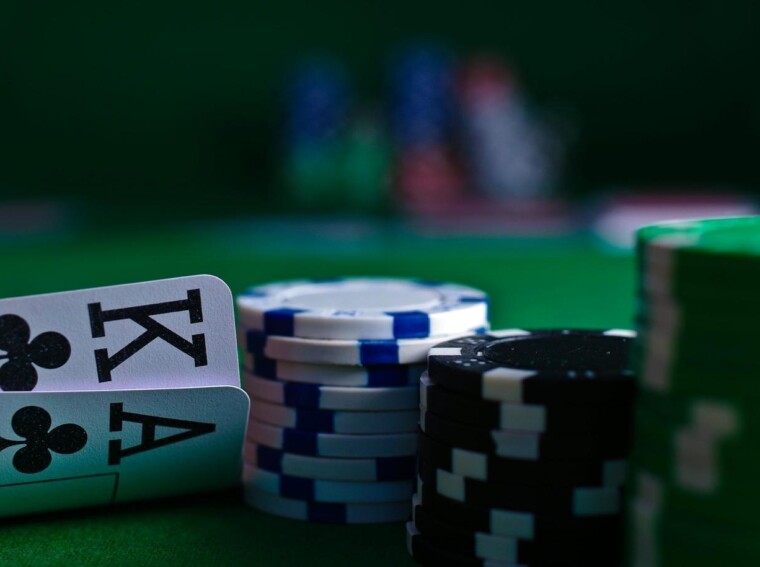
But poker is another thing entirely. It could be argued that poker is more like chess than it is most other casino games. A poker player must read their opponents, strategize throughout, and have a good knowledge of probabilities if they’re to be consistently successful.
Occasionally, you might find someone who enjoys both poker and the type of “simple games” that Mark refers to. Platforms offering online casino Malawi titles include fast, pick-up-and-play games, such as Plinko and Aviator. The fact that poker has managed to stay relevant speaks to the widening audience of gamers: some people want deeper games; other people want more intuitive fun.
Poker’s demands
Mark also spoke about a correlation between stress and the frequency of attention switching – how many times we switch between tasks or focuses. Decades of research, Mark said, shows that when we multitask, our blood pressure rises and we experience stress.
That may be concerning news to poker players, who aren’t simply focusing on one thing. They have to be aware of their opponent’s expressions (weighing up whether they’re honest or bluffing), consider probabilities according to various game states, and decide how much they’re willing to risk.
That’s a very different game to checkers, for example. So why is poker still popular? One betting site theorised last year that the combination of skill, psychology and strategy, and the possibility of continuous improvement, is what attracts players.
That writer also talked about the social aspect of poker. Traditionally, saloons in the Old West were the places to play, and now millions of users play online or in friends’ homes. Either way, poker encourages conversation, laughter, and debate.
There’s also the balance of luck and skill. Roulette doesn’t involve a lot of – or any – skill. Neither do slots, or any number of casino games. Poker undeniably requires skill.
So despite our dwindling attention spans, poker still thrives. ESPN reported that 50 million Americans play, compared with “only” 20 million golfers.
