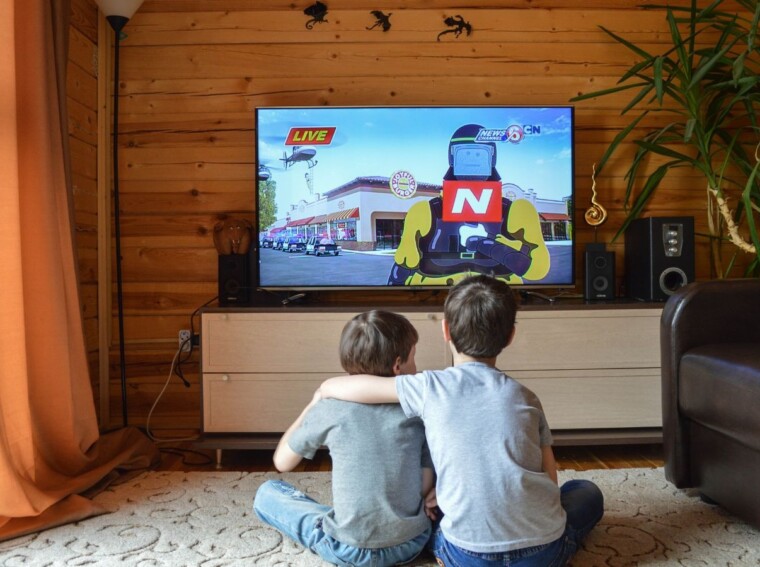
The way people experience entertainment has shifted dramatically over the past two decades. What began as a system built around networks, studios, and publishers deciding what millions would watch, read, or play has given way to something far more fluid. Audiences are no longer satisfied sitting passively in front of a screen. They want to shape content, respond to it, and in many cases, build it themselves.
This shift reflects something deeper than technology alone. Participation has become expected. The creator economy, the rise of interactive platforms, and the widespread availability of powerful tools have together produced a generation that treats creative expression as a natural part of digital life. Entertainment, for many, is no longer something you receive. It is something you make.
From Passive Viewers to Active Creators
The clearest evidence of this transformation is found in the sheer number of people who now produce content as a regular habit. Platforms like YouTube, TikTok, and Twitch have made it ordinary to share your skills or build an audience around your interests. The Lovescape image generator is a strong example of where this movement is heading, giving users a dedicated space to create personalized visual content without formal training or expensive software.
The creator economy is estimated to involve over 200 million people worldwide, with a significant portion earning income through subscriptions, sponsorships, and platform monetization. The path from “person with an idea” to “person with an audience” has never been shorter. Games like Minecraft and Roblox extend this further, functioning as platforms where players design environments, write storylines, and sell custom content to other users. The game itself becomes a canvas rather than a finished product.
The Tools That Put Creative Power in Everyone’s Hands
Professional-grade creative tools are no longer locked behind expensive licenses. Video editing software like DaVinci Resolve offers broadcast-quality capabilities for free. Generative AI tools can now produce music, write scripts, and create images from simple text prompts. Audio platforms handle noise reduction and mixing automatically, allowing creators to focus entirely on storytelling without getting lost in technical production.
This democratization has had an unexpected effect on quality expectations. When professional output is increasingly achievable by amateurs, audiences have begun to value authenticity and originality over technical perfection. A raw, well-told story shot on a phone often outperforms a polished production that feels generic.
AI Is Rewriting the Rules of Engagement
Artificial intelligence is changing not only how content is created but how it is experienced. Interactive fiction and AI-driven narrative games now allow users to have genuinely unpredictable conversations with characters whose responses shift based on individual choices and context. The story is not pre-written. It assembles itself as it unfolds, creating an experience no mass-produced content could replicate.
Generative AI has also become a co-creation tool across a wide range of formats, including platforms that offer an ai image nsfw generator for adult content creators operating within age-verified environments. Writers use it to develop drafts and stress-test ideas. Musicians use it to generate melodic concepts they then reshape into original compositions. The result is a compressed creative process where human vision can be tested and refined faster than before. Questions about intellectual property and authenticity remain unresolved, but the conversation is happening in the middle of active production, which makes it all the more consequential.
The Shift That Will Keep Shaping What Comes Next
The move from passive consumption to active creation is not a phase. The infrastructure, the tools, the platforms, and the cultural expectations that support it are now fully embedded in how people relate to media. Audiences who grew up creating expect to keep creating, and the entertainment industry will continue adapting to a generation that has already decided it wants a seat behind the camera, not just in front of it.