
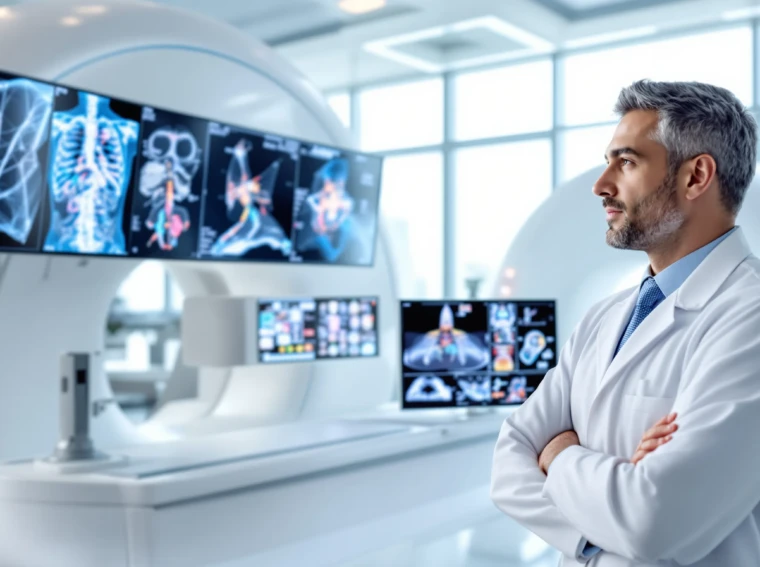
Picture this: a doctor stares at a fuzzy black-and-white scan, heart pounding, trying to spot a tumor the size of a lentil. Now, imagine that same doctor, years later, scrolling through a crystal-clear 3D image, every blood vessel mapped in color, the tumor highlighted like a neon sign. That’s the leap imaging technology has made—and it’s not just for doctors. If you’ve ever snapped a photo on your phone, streamed a movie, or checked the weather radar, you’ve used imaging technology. But here’s the part nobody tells you: the real magic isn’t in the hardware. It’s in how these images change what we see, what we know, and even how we feel.
What Is Imaging Technology, Really?
Imaging technology means any tool or process that captures, processes, or displays visual information. It’s not just X-rays and MRIs. It’s the camera in your pocket, the satellite above your house, and the software that sharpens blurry photos. If you’ve ever wondered how your phone recognizes your face or how scientists spot hurricanes before they hit, imaging technology is the answer.
From Shadows to Super-Resolution
Let’s break it down. Early imaging technology was all about shadows—think X-rays, invented in 1895. Doctors could finally peek inside the body without a scalpel. Fast forward to today, and we have PET scans that track molecules in real time, and telescopes that see galaxies billions of light-years away. The jump from grainy film to digital sensors changed everything. Now, algorithms can sharpen, colorize, and even predict what’s just out of view.
Why Imaging Technology Matters to You
If you’ve ever struggled to read a blurry menu or squinted at a pixelated video call, you know the frustration of bad images. Imaging technology fixes that. It makes medical diagnoses faster and more accurate. It helps farmers spot sick crops from drones. It lets self-driving cars “see” the road. And yes, it makes your selfies look better. Here’s why this matters: better images mean better decisions, whether you’re a surgeon, a scientist, or just trying to find your keys in the dark.
Real-World Wins (and Fails)
Let’s get specific. In 2020, researchers used imaging technology to spot COVID-19 in lung scans before symptoms appeared. That saved lives. On the flip side, early facial recognition systems misidentified people of color at much higher rates. That’s a hard lesson: imaging technology is only as good as the data and people behind it. If you’re building or using these tools, you need to ask tough questions about accuracy and fairness.
How Imaging Technology Works: The Nuts and Bolts
At its core, imaging technology follows a simple recipe:
- Capture: Sensors collect light, sound, or other signals.
- Process: Software turns raw data into images.
- Display: Screens, prints, or VR headsets show the results.
But here’s the twist: the real breakthroughs come from clever processing. For example, MRI machines use magnets and radio waves to map water molecules in your body. AI-powered cameras can remove noise, fill in missing pixels, and even “see” through fog. The best imaging technology doesn’t just show you what’s there—it helps you see what matters.
Common Types of Imaging Technology
- Medical Imaging: X-rays, CT scans, MRIs, ultrasounds
- Consumer Imaging: Smartphone cameras, webcams, digital SLRs
- Remote Sensing: Satellites, drones, weather radar
- Industrial Imaging: Quality control scanners, thermal cameras
Each type solves a different problem, but they all share the same goal: turn invisible data into something you can see and use.
What Nobody Tells You About Imaging Technology
Here’s the part that gets swept under the rug: imaging technology isn’t neutral. The way we capture and process images shapes what we believe. A blurry ultrasound can mean the difference between hope and heartbreak. A misread security scan can ruin someone’s day—or worse. If you’re in healthcare, law enforcement, or any field that relies on images, you need to know the limits. Trust, but verify. Ask for the raw data. Double-check the results.
Lessons Learned (the Hard Way)
I once spent hours editing a photo, only to realize my “improvements” erased a crucial detail. That’s the danger: it’s easy to trust a sharp, colorful image, even when it’s wrong. The best imaging technology users stay skeptical. They know that every image is a choice—what to show, what to hide, what to enhance.
Who Should Care About Imaging Technology?
If you’re a doctor, scientist, engineer, or artist, imaging technology is your bread and butter. But it’s not for everyone. If you’re looking for quick answers or shortcuts, you’ll be disappointed. Good imaging takes patience, skill, and a willingness to question what you see. If you love details, crave clarity, and want to make smarter decisions, this is for you.
Tips for Getting the Most Out of Imaging Technology
- Always check the source of your images. Not all scans or photos are created equal.
- Learn the basics of how your imaging tools work. A little knowledge goes a long way.
- Don’t trust enhancements blindly. Ask what was changed, and why.
- Use imaging technology to tell stories, not just show facts. The best images make people feel something.
Next steps: try experimenting with your phone’s camera settings, or explore free online tools that let you process and analyze images. The more you play, the more you’ll learn.
The Future of Imaging Technology: What’s Next?
Here’s where things get wild. Scientists are building cameras that see around corners, microscopes that watch single molecules in action, and AI that can spot disease before symptoms appear. Some researchers are even working on “imaging” thoughts by mapping brain activity. The line between science fiction and reality gets blurrier every year.
If you’re excited by the idea of seeing the invisible, you’re not alone. Imaging technology is changing how we understand the world—and ourselves. The next time you snap a photo or see a scan, remember: you’re not just capturing an image. You’re opening a window to new insight, new questions, and maybe even a new way of seeing.